
Nigeria’s 66th Independence Anniversary offers more than a moment for ceremonies, patriotic messages and the display of national colours. It invites a deeper reflection on the country’s journey, the progress made, the challenges that remain and the shared responsibility of building a stronger nation.
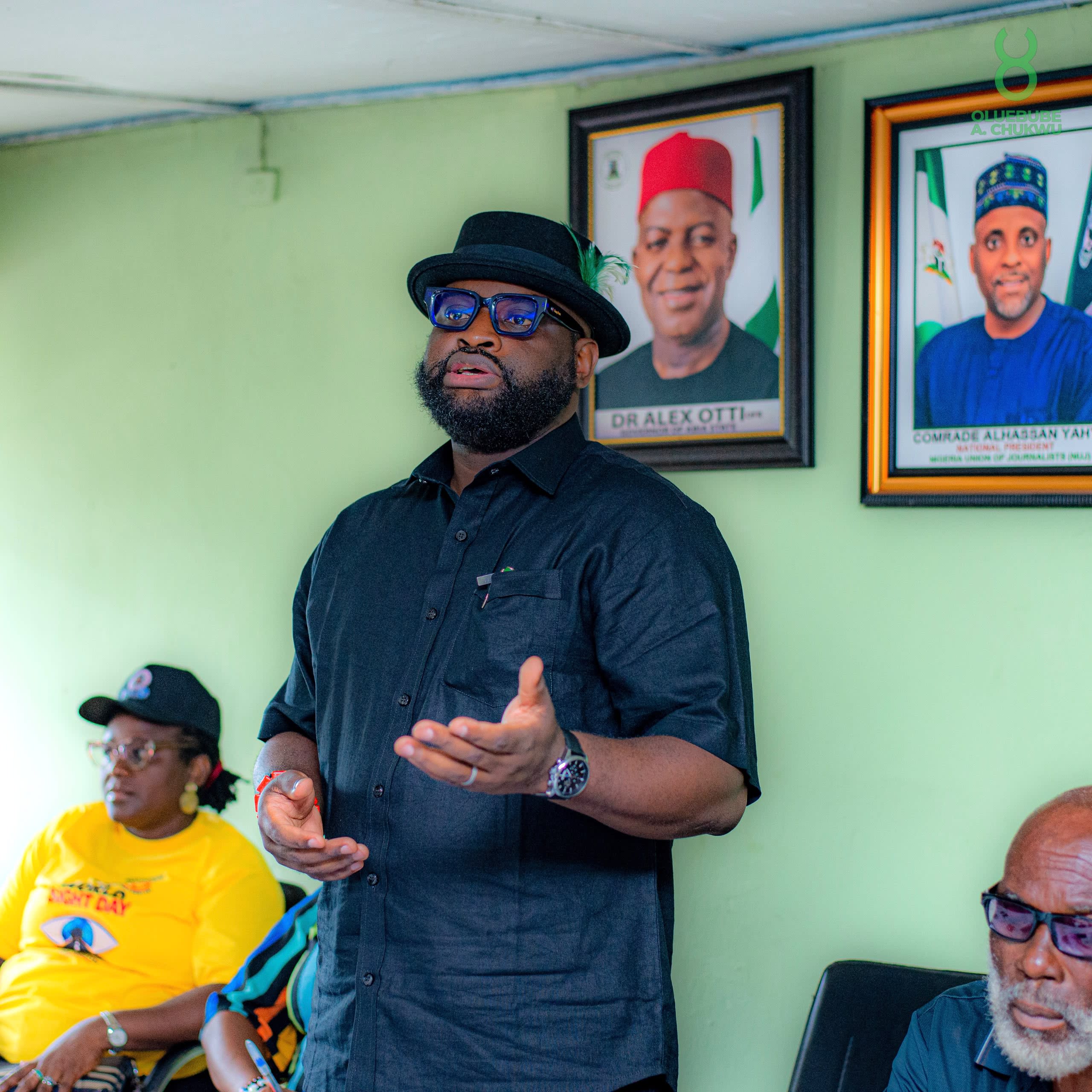
At the centre of that reflection is the question of how public institutions can better serve the people. In Abia State, Dr. Oluebube A. Chukwu, Senior Special Assistant to the Governor on Due Process, represents a public-service approach anchored on transparency, accountability and compliance in government business.
Nigeria gained independence from British colonial rule on October 1, 1960. Six decades later, the country is still working to convert its vast human and natural resources into meaningful opportunities, improved living conditions and a more secure future for its citizens.
For Chukwu, that work begins with respect for the rules and procedures that guide public administration. His position is that accountability is not merely an administrative requirement but a foundation for building institutions capable of delivering lasting development.
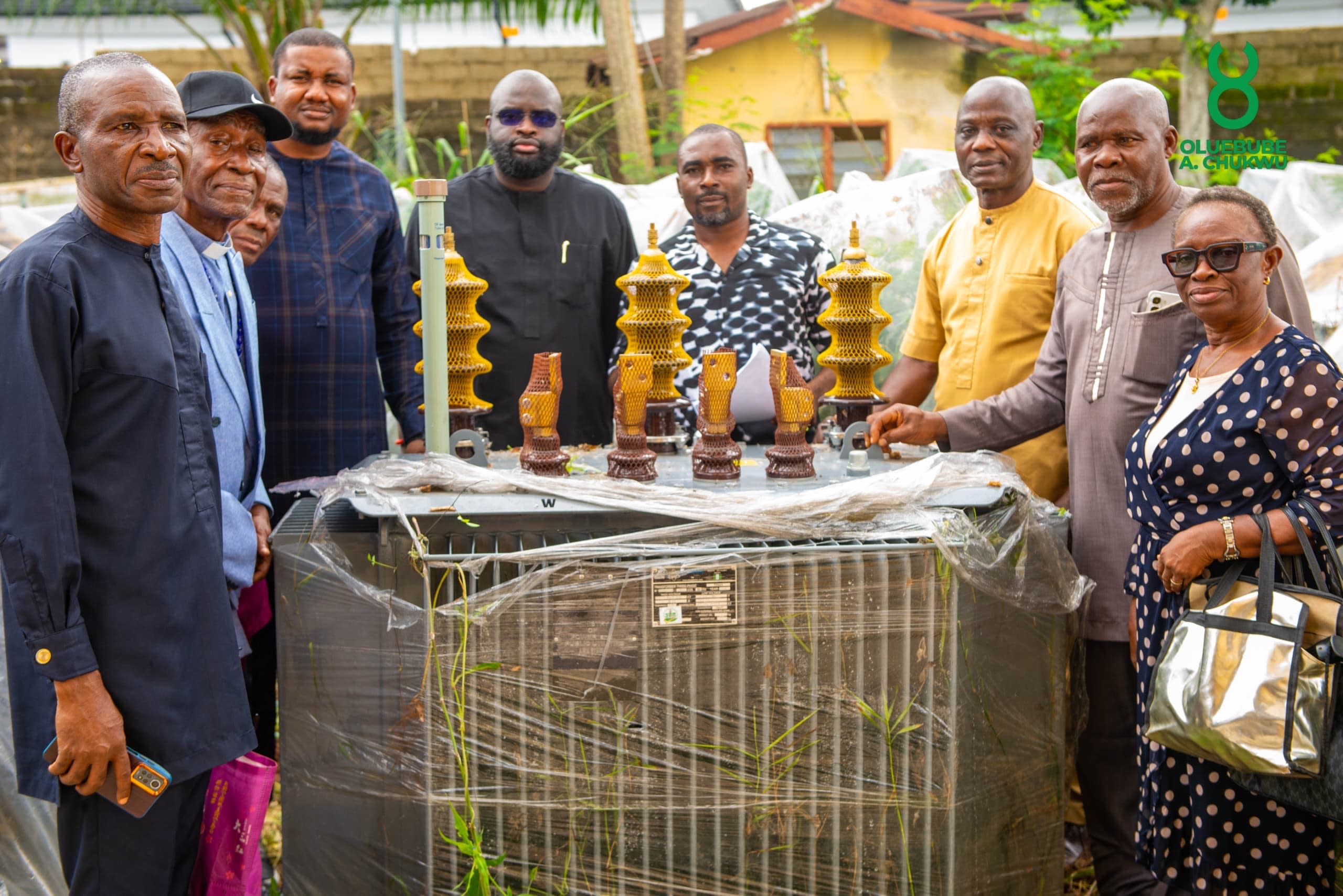
In his engagement with the Abia State Government, Chukwu has consistently highlighted the importance of due process in the award and execution of government contracts. Government projects, he has explained, should pass through the required tendering, review and approval stages before implementation.
That emphasis speaks to a broader national need: institutions where public resources are protected by clear procedures, decisions are properly documented and projects are executed in line with approved standards.
In 2024, Chukwu declared that the era of cutting corners in government procurement and contracts in Abia was over, reinforcing the need for transparency, probity and responsible stewardship in governance.
The significance of such a position extends beyond procurement. It reflects the kind of institutional culture Nigeria needs as it moves beyond its first six decades of independence—one in which public office is treated as a trust, rules are applied consistently and development is pursued with discipline.
Independence, therefore, should not be understood only as a historical milestone. It should also be seen as an ongoing national project, sustained by the daily choices of public officers, citizens, businesses and institutions.
The farmer, trader, civil servant, entrepreneur, teacher, professional and public official all contribute to the strength of the country. Yet their efforts can produce lasting results only when supported by institutions that are transparent, accountable and committed to service.
For Abia and Nigeria at large, the anniversary provides an opportunity to renew that commitment. It is a time to ask not only what the nation has achieved, but also what must change to ensure that public resources are used wisely and that government delivers tangible value to the people.
As Nigeria moves forward, the enduring challenge is to translate the promise of independence into opportunity, dignity and prosperity for all citizens.
oluebubechukwu.com